
Stronger together: celebrating South Carolina’s electric cooperatives
Ask the Expert: Why meter data matters
Meter data may not always be visible to the people who flip the switch, but it plays a critical role in how electricity is delivered, managed and billed across South Carolina. Kraig Peterson, supervisor of Meter Data Services at Central Electric Power Cooperative, shares insight into what meter data is, why it matters and how it supports Central’s work as a generation and transmission cooperative.
Background and basics
For those who may not be familiar, what is “meter data” and what types of information does it include?
When most people think of an electric meter, they picture the meter can on the side of a home that records how much electricity has been used. Traditionally, that meter displayed a running total, and a utility would record a start and stop reading and use the difference to determine total energy consumption for a billing period.
Meter data comes from that same basic concept. It measures, records and transmits information about how much electricity is being used.
At Central, the meters we manage are typically connected to substations and large industrial transformers rather than individual homes. Instead of only capturing a single total reading, many of these meters collect interval data, which shows how energy use changes at a more granular level. That level of detail provides a much clearer picture of when electricity is being used across the system and helps us better understand overall load behavior.
How has meter data changed over the years with advancements in technology?
Meter data used to come from that manual collection process in the field. Now, with newer meters and better communication networks, we get more reliable data, more frequently. As that data becomes automated, systems can move it quickly, share it across departments, and make it easier to communicate changes with our member co-ops and industrial loads. That helps everyone stay aligned and make better decisions.
What role does meter data play in supporting Central’s operations as a G&T cooperative?
Meter data supports how Central manages peak demand and recovers purchased power costs across its member cooperatives. While billing is often the first thing people think of, meter data also plays a critical role in forecasting and system planning.
The clearer the understanding of load behavior across the system, the better positioned Central is to manage costs responsibly for co-ops throughout the state.
Why meter data matters
Why is accurate and timely meter data so critical to Central and its member cooperatives?
Central operates on a structured monthly billing cycle, and everything begins with accurate meter data delivered on time. Each month, Central produces two types of invoices: industrial and wholesale. Industrial invoices are issued on the first business day of the month, and wholesale invoices follow on the third business day.
One of our rate components is calculated at month-end based on the most recent meter readings. Having every meter read and validated is essential to preparing accurate invoices and reports for the month ahead.
How does meter data support reliability, system planning and forecasting?
Meter data shows how load behaves across the system, from the power suppliers Central works with to the member cooperatives it serves. It helps us see when demand rises, how it shifts during peak periods and how different conditions affect usage. In most cases, it also captures electrical values such as voltage and reactive power, giving engineers a better understanding of how the grid is performing.
How does it impact billing and other financial processes?
Everything starts with the meter. If the data is incorrect at that point, everything downstream can be affected, from the billed invoice, to monthly accounting processes, and even regulatory reporting.
Accuracy affects how costs are allocated and how rates are applied across the system. When that data is right, the prices members see line up with how they actually use electricity.
Why is long-term data retention important?
Central maintains interval data at the station level for well over a decade, in order to support system studies, resource planning and cost validation. As visibility into retail-level interval data expands, the goal is to move beyond modeled or third-party assumptions and rely on actual South Carolina usage data.
Comparing what flows through Central’s meters with what is consumed at the end of the line provides a clearer view of system performance and strengthens forecasting and validation efforts.
Behind the scenes
How do you ensure the accuracy and integrity of the data?
Accuracy begins with daily review. Each morning, the team reviews midnight updates and flags anything that drops to zero, which could indicate a communication issue, or any readings that appear unusually high or low.
Daily voltage checks are also performed. Some meters report a single average value, while others display each phase separately. Those readings are compared to confirm they are consistent and within expected ranges.
Collecting data from every corner of South Carolina is a significant effort. That is why tools and techniques are continually refined to identify issues early and prevent them from affecting billing or reporting.
Automation and the future
How are automation and evolving data systems improving the way Central manages meter data?
Meter data management is becoming more structured and less manual. Much of the routine work now happens automatically in the background, creating a more dependable process.
Automation allows the team to focus less on repetitive tasks and more on analysis and support, equipping colleagues across the organization with clear, reliable information.
A personal perspective
What is one thing people might not realize about meter data and its importance?
As energy prices fluctuate, there are factors no one can control. What can be influenced is how well energy use is understood and managed.
Understanding usage patterns gives people more control than they might realize. Small changes in habits can reduce overall system costs. When the system operates more efficiently, it benefits everyone who pays an electric bill.
Definitions
- Meter Data: Information collected from an electric meter that shows how much electricity is being used or produced. Meter data can include detailed interval information such as kWh, kW, Volts, kVAR, and kVA.
- Energy use: The total amount of electricity consumed over a period of time. It is typically measured in kilowatt-hours (kWh), the same unit that appears on an electric bill.
- Demand: The rate at which electricity is being used at a specific moment. It reflects how much power (kW) is needed at one time rather than the total used over time.
- Peak demand: The highest level of electric demand during a given period, such as a day or month. This usually happens when many people and businesses are using electricity at the same time.
- Billing determinants: The specific measurements used to calculate an electric bill. These can include energy use, demand levels and other factors defined in a rate structure.
- Interval data: Detailed meter data that records electricity use in regular time increments, such as every 15, 30, or 60-minutes. This helps show when energy is being used throughout the day.
- Meter level: Information collected directly from a specific meter. It represents the electricity flowing through that exact measurement point.
Central adopts new rate for data centers, other major power users
COLUMBIA, S.C. — South Carolina’s electric cooperatives have adopted a new rate that makes permanent their existing practices that protect Palmetto State families and businesses from energy costs created by data centers and other major energy users.
Today, the Central Electric Power Cooperative Board voted unanimously to formalize a set of consumer protections the Columbia-based generation and transmission cooperative and its 19 member cooperatives previously have employed on a case-by-case basis.
“Data centers can bring significant benefits to the power grid, creating efficiencies and paying for system costs that otherwise would have been borne by South Carolina co-op members. Our job is to maximize those benefits while minimizing risks and costs to our co-ops and the South Carolinians they serve,” said Central CEO Rob Hochstetler. “Our responsibility is to secure reliable electricity at the best price for the 2 million South Carolinians who rely on electric cooperatives for power. This new policy helps accomplish that goal.”
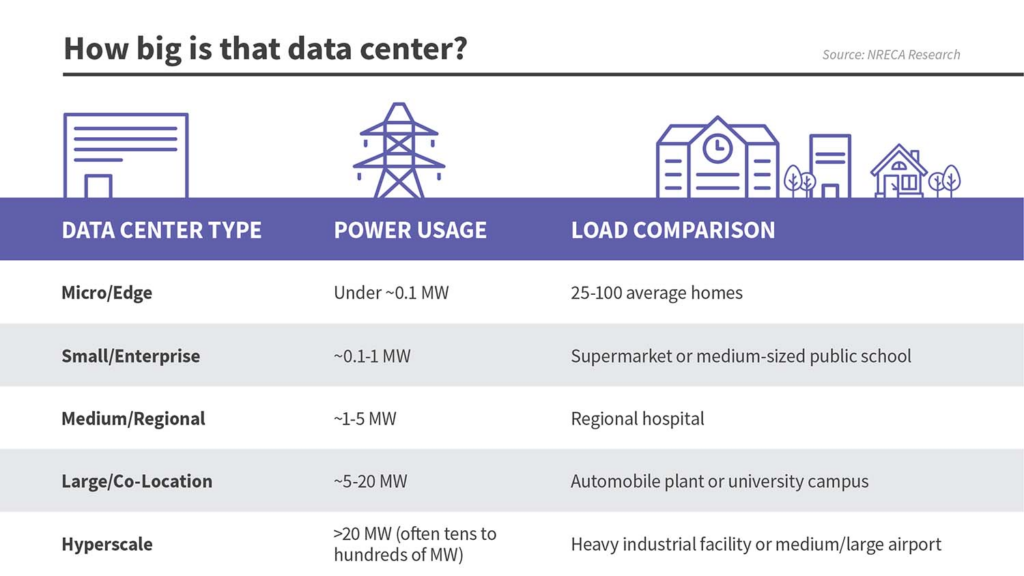
The new rate, which applies to large consumers that need 20 megawatts of electricity or more, includes the following protections, all of which have been endorsed by third-party advocates as pro-consumer:
- 15-year minimum-term contracts with early termination penalties
- Prepayment for necessary electric infrastructure upgrades
- Provisions for ramping down electricity use during potential energy shortages
- Cash deposits and other financial security requirements
- Monthly energy demand minimums, which ensure sufficient revenues are generated to cover system costs.
Central’s board, which consists of representatives from South Carolina’s 19 electric cooperatives, adopted the rate after a months-long study process that examined industry best practices.
“All of our ratemaking decisions are about fairness,” said Berl Davis, chairman of Central’s board and CEO of Palmetto Electric Cooperative. “South Carolina families and businesses shouldn’t subsidize the energy costs of major corporations. We have always recognized and ensured our rates were consistent with that ideal, and this rate reinforces that approach.”
Electric cooperatives currently serve one data center in South Carolina, which established operations in 2007. Three others are under development, and the contracts that govern those relationships already include the consumer protections outlined in the new rate.
Central’s new rate requires long-term commitments from major energy users that will provide the certainty Central and its member cooperatives need to make capital-intensive investments to the electric grid, including adding power generation resources, transmission lines and substations.
“We need accurate plans and solid commitments from large consumers so the right facilities are built at the right time and for the right price,” Hochstetler said. “This will help us keep South Carolina open for business and protect our members from unnecessary costs while we invest in the reliability of our power grid.”
About Central Electric Power Cooperative
Central is a Columbia-based not-for-profit generation and transmission cooperative that secures reliable, affordable power for South Carolina’s 19 electric distribution cooperatives and the 2 million South Carolinians they serve. Formed in 1948, Central helps its member cooperatives compete in a complex and capital-intensive industry by negotiating and managing long-term power supply contracts, coordinating transmission access, facilitating demand-response programs and managing fuel and market risk. Central and its member cooperatives together serve more than 70% of the state’s land mass, including consumer-members in all 46 counties.
Together as one voice: advocating for South Carolina cooperative members
2026 Co-op Day at South Carolina State House
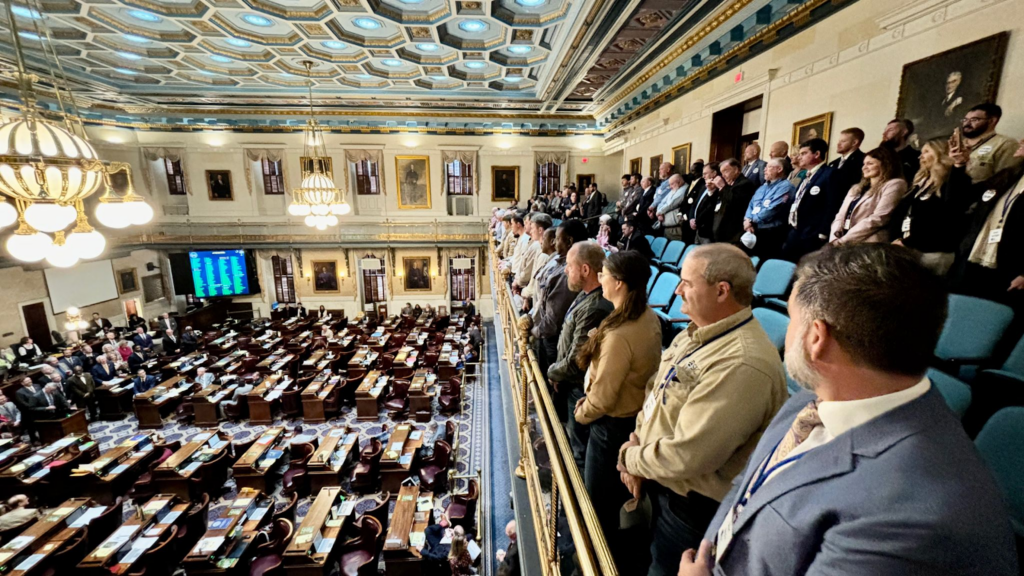
On February 19, 2026, Central Electric Power Cooperative attended the 2026 Co-Op Day, alongside electric cooperative leaders from across the state, to advocate for the needs of rural communities.
As lawmakers discussed the future of energy in our state, we ensured that the voices of our more than 2 million South Carolinians served by co-ops were heard.
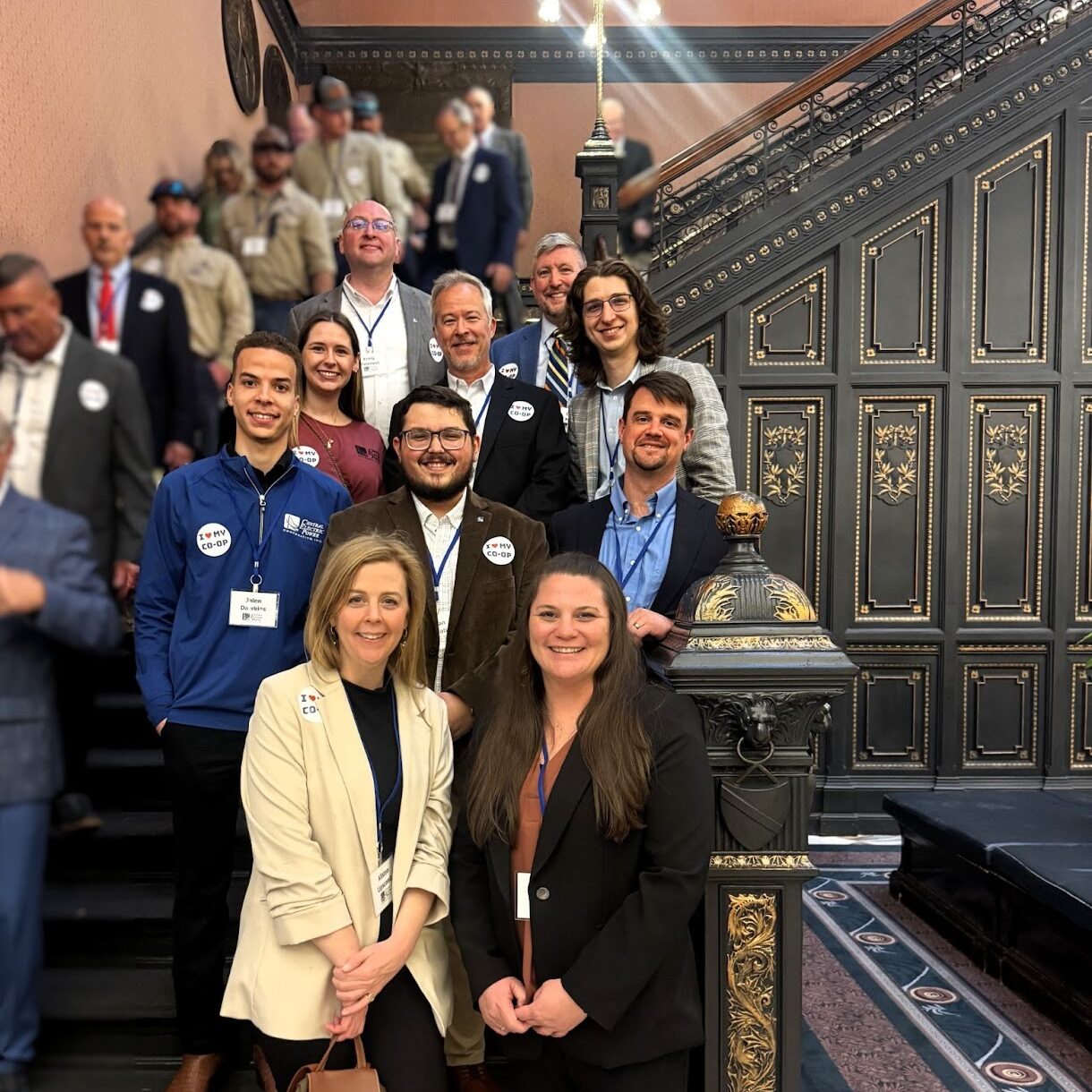
This annual event at the South Carolina State House provides an opportunity for electric co-op leaders and employees in South Carolina to highlight the importance that cooperatives play in their local communities. It is also a time to build strong relationships with legislators and meet with them about issues that matter to their constituents.
We are proud that South Carolina electric cooperatives currently power 70% of our state, delivering safe, reliable and affordable electricity across all 46 counties. That’s channeled through more than 79,000 miles of power lines.
Central is honored to be part of this not-for-profit network, as we continue to advocate for the needs of rural communities throughout our state.

Thank you for being a proud member of your local co-op. And thank you to our lawmakers for their time during Co-op Day and continued advocacy throughout the year.
Together, as the South Carolina Electric Cooperative network, we are working to ensure the voices of all members across the state are heard.
Winter peak demand: when it is & how Central helps keep energy affordable
Cold winter mornings in South Carolina often lead to a sharp increase in electricity use across the region. At Central Electric Power Cooperative, we work year-round to provide reliable power, while keeping electricity as affordable as possible for the members we serve.
When does winter energy demand peak?
During winter, the electric cooperatives typically see the highest electricity use between 6 a.m. and 9 a.m. This is when most households are waking up, heating their homes after a colder night, turning on lights and running appliances.
When thousands of members use electricity at the same time, demand on the grid surges, along with the cost to supply that power. Winter peak demand happens regardless of whether your local electric cooperative has a traditional two-part rate or newer three-part rate structure. The impact of peak demand affects the entire electric system.
Why reducing peak demand matters
Those chilly early mornings put added pressure on the electric grid. Heating systems kick into high gear just as homes and businesses across the state are starting their day.
Central must purchase enough power to meet demand at all times. During peak periods, the cost of electricity rises sharply, placing additional pressure on both the system and long-term power costs.
Managing winter peak demand helps control these costs, reduces strain on the grid, and lowers the risk of extreme system stress that can lead to outages. Small changes during peak hours can make a meaningful difference in keeping electric rates stable and affordable for all cooperative members.
Simple ways to help beat the winter peak
You don’t need major changes to make an impact. Here are a few easy ways to reduce electricity use during peak morning hours:
- Adjust your thermostat slightly lower during the 6-9 a.m. window to ease heating demand.
- Delay use of large appliances, like dishwashers, washing machines and dryers, until later in the day.
- Seal air leaks with caulk or weatherstripping to help keep warm air in and cold air out.
- Shift hot water use, such as showers or laundry, to non-peak hours when possible.
- Turn off unnecessary lights and electronics before leaving home.
When these small adjustments are multiplied across thousands of households, they help reduce system-wide demand and costs.
Stay informed with peak alerts
One of the easiest ways to help is by staying informed. Members can sign up for peak alerts to receive notifications when electricity demand is expected to be high. These alerts give members a heads-up so they can take simple steps to reduce usage during critical times.
Sign up for peak alerts at energysmartsc.org/peakalert
How Central supports affordable power
As the generation and transmission cooperative serving South Carolina’s 19 independent, consumer-owned electric cooperatives, Central plays a vital role in managing power supply and planning for seasonal demand. By preparing for winter peaks and coordinating resources across the state, we help ensure reliable electricity at a fair price.
Because Central and the cooperatives we serve are not-for-profit, our mission is simple: deliver safe, dependable, and affordable energy to the people and communities who own us.
By working together to manage winter energy use, we protect what matters most: affordability, reliability, and the cooperative difference.
’Tis the season: Central employees share their holiday traditions
The holidays are a time for connection, reflection and a little friendly debate—especially when it comes to trees, music and decorations. To celebrate the season, we asked Central employees a few lighthearted questions about their holiday preferences and traditions. Their responses highlight what makes this time of year meaningful: time with family, shared memories and traditions that grow richer each year.

Real tree or artificial?
While the classic scent of pine still has its fans, convenience won out overall.
75 percent of employees prefer an artificial tree, while 25 percent are firmly team real tree.
When does the holiday music start?
Holiday playlists spark plenty of opinions. Half of respondents say it is acceptable to start playing holiday music after Thanksgiving. Another 25 percent prefer to wait until December, while a smaller group—13 percent—start before Thanksgiving. A dedicated 13 percent say holiday music is welcome year-round.
Decorating the house
For most employees, Thanksgiving is the unofficial starting line. 87 percent believe decorations should go up after Thanksgiving, while 13 percent are ready to decorate as early as Nov. 1. No one voted for waiting until Dec. 1.
Favorite holiday movies
From classics to comedies, Central employees have eclectic taste. Favorites included Elf (the most-mentioned), Die Hard, Home Alone, The Santa Clause, A Christmas Story, National Lampoon’s Christmas Vacation, The Polar Express, The Grinch and A Charlie Brown Christmas, along with several heartfelt and lesser-known picks that reflect personal tradition.



Traditions that matter most
Beyond surveys and statistics, employees shared the traditions that make the season special:
- Decorating the house and tree together—often with music playing and phones put away—to truly focus on family time.
- Hanging years’ worth of Christmas cards and photos with Santa to reflect on how families have grown and changed.
- Fun traditions like Saran Wrap balls, gingerbread houses and baking days filled with cookies and conversation.
- Creative twists on holiday meals, including friendly cooking challenges that encourage trying something new.
- Simple joys like driving around to look at Christmas lights with hot chocolate in hand.
- Meaningful Christmas Eve gatherings, from spending the night with parents to neighborhood soup potlucks.
- Thoughtful rituals such as opening gifts slowly to savor the moment, or writing personal letters to children and loved ones to reflect on the year and express gratitude.
- Collecting ornaments from trips and life milestones, turning tree decorating into a walk through shared memories.



Whether rooted in long-standing family traditions or new ideas created along the way, these stories reflect the heart of the season. From all of us at Central, we wish you a holiday filled with warmth, connection and moments worth remembering.
Looking back at 2025: a stronger system for South Carolina co-ops
As we close out 2025, we’re reflecting on a year marked by steady progress, thoughtful planning and continued commitment to the consumer-members served by South Carolina’s electric cooperatives. Central entered the year focused on reliability, affordability and innovation, and those priorities guided every decision we made. Together with our 19 distribution cooperatives, we advanced projects and initiatives that strengthen our statewide system and support a resilient energy future.
Strengthening our financial foundation
Central’s financial health remains a critical component of our ability to deliver reliable and affordable power. This year, both Fitch and S&P affirmed Central’s A+ credit rating — a strong endorsement of sound financial management, strategic planning and long-term stability. In addition, S&P revised its outlook on Central from negative to stable, reflecting confidence in our direction and performance.
To further modernize and fortify Central’s financial framework, the Board adopted three new policies: a comprehensive financial policy, a hedging policy to support prudent risk management and a trading authority and sanctions policy to ensure clear governance of trading activities. These updates enhance transparency, improve internal controls and position Central for continued financial strength.
Advancing major power supply initiatives
Central made meaningful progress this year across several major power supply initiatives. Central’s Board agreed to participate in two new generation resources with Santee Cooper and agreed to a potential joint ownership arrangement with Duke Energy. These actions are expanding collaborative opportunities and reinforcing long-term resource adequacy for South Carolina’s growing energy needs.
Renewable energy development continued with the commercial operation of the Lambert I and Lambert II solar projects. These new resources add clean, zero-emission generation to the portfolio and deliver long-term value through predictable, affordable energy.
System modernization and technology advancements
Throughout 2025, Central continued to strengthen the systems and tools that support operational awareness, planning and long-term grid reliability. Several projects identified in the 2024 energy management and systems integration (EMOSI) project were completed or are currently underway. Central made progress on integrating distribution retail meter data and completed the buildout of historical meter data access, providing enhanced visibility for analysis and forecasting.
A number of key modernization initiatives were also completed or progressed this year, including the implementation of Power Monitoring Expert (PME), enhancements to GIS capabilities, targeted cybersecurity analysis supported by artificial intelligence and continued improvements to real-time telemetry and SCADA systems. Additional work remains underway on the development of a comprehensive Business Continuity Plan and the establishment of an off-site datacenter, both of which will strengthen resiliency and support long-term operational continuity.
Central also continued upgrades on Demand Side Tools (DST) that improve visibility into consumer-level programs and support future distributed energy resource integration. In addition, Central began upgrading DST to integrate all legacy load management processes into a single platform. This upgrade is designed to improve response time, expand operational capabilities and strengthen system reliability. By enabling communication with thousands of smart, dynamic devices, the upgraded platform will support Central in fully utilizing distributed energy resources as a system resource and capturing the value these member programs provide.
Central launched a full market potential study to evaluate opportunities with demand side management and continued progressing its retail meter data initiative, both of which support long-term forecasting and resource planning.
Investing in our people
This year, Central was named one of the Best Places to Work, a recognition that reflects our commitment to a positive, supportive workplace culture rooted in service and collaboration. Our people remain one of our greatest strengths.
Central expanded its benefits package in 2025, introducing new offerings to support employees and their families, including adoption assistance. The board also approved adding Martin Luther King Jr. Day as a company holiday and establishing an IVF medical expense reimbursement plan, both effective in 2026. These enhancements underscore Central’s commitment to supporting employees through every stage of life and providing meaningful benefits that reach beyond the workplace.
Looking ahead
The work we accomplished in 2025 reinforces our commitment to delivering reliable, affordable power to about 2 million South Carolinians served by our member cooperatives. We are grateful for the dedication of our teams, the leadership of our board of trustees and the collaboration of our partners. Together, we look forward to building on this momentum in 2026.
The rise of data centers
Co-ops adapt to serve massive new loads while protecting members
Cole Price figures he spends about 40% of his time on data centers these days, compared to “maybe 5 to 10%” just a few years ago.
“And that’s just me,” he says. “Other teams spend that much time or more.”
Price is executive vice president for member services at Central Electric Power Cooperative, a generation and transmission co-op based in Columbia, South Carolina, that currently provides power to one large data center, has reached deals with two more and has fielded dozens of inquiries from others.
“These projects can offer tremendous benefits to co-ops and their members,” Price says. “We know from experience that adding a data center to our system can reduce the fixed cost burden on everyday co-op members. Our job is to help our co-ops achieve those benefits while protecting their members from risk.
We have been focused on how to do that for a while now, and we are constantly refining our policies and practices as we learn more.”
As of early 2025, there were around 5,400 data centers in the United States. And they continue to proliferate, fed by the growth of artificial intelligence, which requires significantly more computing power than other internet transactions, and the seemingly inexhaustible desire for more online entertainment, commerce and information.
Nearly every state in the nation has data centers, with Virginia, Georgia, Texas and California among those where these facilities, often bunched along fiber backbones that can carry heavy internet traffic, are clustered.
They require large amounts of power to operate servers and cooling systems, with some hyperscale data centers, as the largest are known, drawing as much as a gigawatt of electricity.
The impact is being felt across the grid. After more than a decade of relatively flat demand, peak demand is forecast to rise by 151 gigawatts from 2025 through 2034, a 17% increase, according to the North American Electric Reliability Corp. NERC attributes much of this accelerating growth to demand from data centers and other large commercial and industrial loads.
“The data center trend is impacting co-ops across the board, whether a facility is located in their territory or not,” says Allison Hamilton, NRECA markets & rates director. “This wave of new large loads has the potential to transform the entire industry, and co-ops and G&Ts are drawing on their member-focused mission and community values to capture the benefits while mitigating the risks.”
Why do data centers need so much electricity? Why are they expanding so dramatically? How are cooperatives working to serve them while assuring the cost of meeting their requirements doesn’t impact other members? The answers start with a look inside a typical data center.
Tens of thousands of servers
Row upon row of metal cabinets with blinking lights, separated by aisles that provide room for maintenance and cooling. That’s the digital heart of a data center.
The cabinets hold racks of computer servers, net-worked to manage vast amounts of data and provide everything from streaming and AI to cloud computing, storage, e-commerce and cryptocurrency mining.
Data centers come in many sizes, but hyperscale centers can be massive, running more than a million square feet, or nearly 23 acres, and filled with tens of thousands of servers.
That much computing not only draws a lot of power; it also generates a lot of heat, and centers use various types of cooling systems to handle it. Some rely on air cooling, configuring the servers in alternating rows, with cold air intakes facing one way and hot air vents facing the other. This creates hot and cold corridors that, aided by fans, provide naturally cooling air flow.
Other centers rely on evaporative coolers, which blow moist, cold air. More heat-intensive servers use liquid cooling. Some of the most advanced systems place “cold plates” filled with coolant directly on top of computer components to draw heat away.
According to an EPRI study, the greatest surge in power demand from data centers is coming from AI, which can require 10 times as much electricity per inquiry as a traditional Google search. And use of AI is growing rapidly, becoming ubiquitous not only for internet searches and responses but in the internal operations of businesses.
As IT companies rush to meet the demand, electric cooperatives are adjusting to the priorities of these new members and meeting the challenges of serving their unique needs.
‘Timing and speed’
What’s the top priority when a company comes to a co-op looking to site a data center in their service territory? For Greystone Power Corp., a distribution co-op based in Hiram, Georgia, the answer is speed.
“They definitely want to know how quickly we can meet their ramp-up schedule,” says Creighton Batrouney, Greystone Power’s executive vice president of power supply. “Timing and speed to market is probably the No. 1 concern.”
Greystone Power serves two smaller data centers with loads of 8 and 20 megawatts. But it has three coming online in the next two years that are much larger: 85, 180 and 240 megawatts respectively.
“AI workloads are driving the size of the data centers and the number of data centers,” Batrouney says.
The co-op’s service territory covers portions of eight metropolitan Atlanta counties. The Atlanta region is the second-largest data center hub in the United States and the industry’s hottest market since 2023, according to analysis by CBRE, a commercial real estate firm. This growth has been fed by access to four essentials for data centers: power, land, a sturdy fiber-optic backbone and water for cooling.
For cooperatives, these projects can bring benefits that go well beyond electricity sales. The size of data center loads often necessitates transmission and distribution system upgrades, which can contribute to reliability across the board.
Greystone has worked with Georgia Transmission Corp., the Tucker-based transmission co-op owned by 38 member distribution co-ops, on system upgrades, many of which are paid for upfront by the data centers, with GTC assisting with construction and design.
“They’re essentially paying their share of the cost for these transmission upgrades,” Batrouney says.
Other potential advantages include improved systemwide load factor, smoothing out peaks and valleys and making the overall system more efficient. The predictable, around-the-clock nature of these loads can also create steadier revenues and support more stable rates for the entire membership. These projects can also bring new tax base, jobs and investment, often attracting additional businesses that want to locate near the facility.
“If co-ops take the time to understand and manage the challenges on the front end—whether it’s infrastructure upgrades, rate design or contract terms—there can be significant upsides once the load comes online,” Hamilton says. “Co-ops are uniquely positioned for this work. Their commitment to serving all members, not just the large load, means they approach these projects with care, collaboration and a focus on long-term community benefit.”
‘Stick to your process’
The first data center to come to one of Central Electric Power Cooperative’s member co-ops arrived way back in 2007.
“It’s not what you see today,” says Price. “It was a lot smaller.”
The next didn’t come under contract until 2024, after nearly two years of weekly talks and negotiations in what Price called the “old-fashioned approach to interconnection and engineering” based on standard service requests and long lead times.
Around that time, a third data center requested interconnection. A Central member cooperative inked a deal with that facility after six months of study and negotiation.
“Our process has improved a lot over the past few years,” Price says, noting their tightened timelines and new cost structure agreements. “We know what questions to ask. We know what they need from us, and we know what we need from them.”
On the heels of those project announcements, other data centers began reaching out to Central and its member cooperatives.
“Different groups wanted to ride the coattails of those big providers,” Price says. “They see filings at the Public Service Commission for large transmission service requests and say, ‘Can we get any of the extra capacity?'”
Central buys wholesale power from Santee Cooper, South Carolina’s state-run utility, as well as Duke Energy. When a data center comes calling, they coordinate closely with their generation providers on capacity needs and planning. Their goal is to encourage responsible growth without putting affordability and reliability at risk.
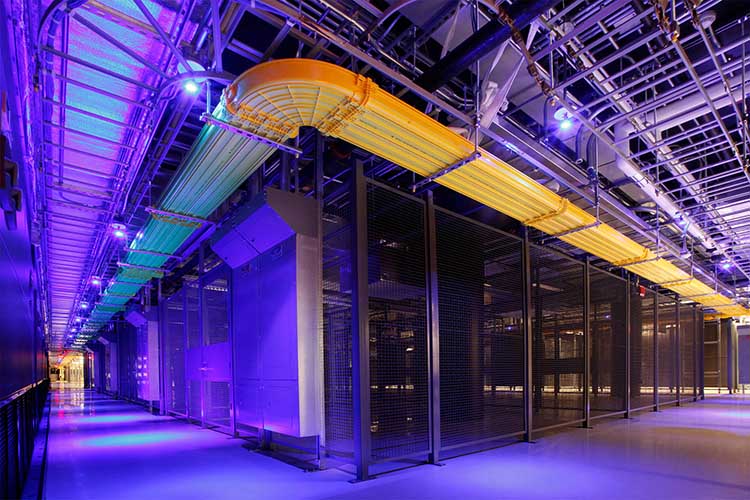
Photo Courtesy: Equinix
“We’re trying to shore up resources for the next few years, to maintain reserves as larger system investments come to fruition,” Price says.
Central, whose member territories sit near the terminus of major undersea fiber cables, estimates by the end of the decade, they’ll likely have at least 2 GW of data center load on their system.
Price’s top piece of advice for co-ops negotiating with data centers is “stick to your process.”
“Develop a formal process and follow it,” he says.
“That process is there for a reason: to maximize benefits and minimize risk. Do not let anyone push you out of that.”
Central’s process is for the member services and engineering groups to engage right away after a member co-op is contacted by a data center. First, a deposit is collected and a 30-to-60-day initial study—which the data center pays for—is conducted to determine scope and overall needs. The client then has 30 days to decide if they want to go forward with a more detailed FEED (front-end engineering design) study, which they also pay for. Agreements for energy sales and construction are then drawn up, and if the project moves forward after the completion of the FEED study, work on the data center and any electrical infrastructure upgrades can begin.
“We try to communicate transparently throughout the process,” Price says. “We may come back after the initial conversation and say, ‘Save your money on the study; we know we won’t be able to meet your timeline.'”
Price’s second piece of advice is to “put your risk tolerance on paper.”
Risks can range from stranded assets and other cost recovery issues if a data center ceases operations early to supply chain issues to interconnection delays.
“Know what that tolerance is at the local level and at the G&T level,” he says. “Both the upfront risk and the long-term risk.”
Price’s third rule is transparency—with the data centers, with member co-ops and with the public.
“The more transparent you can be—and each jurisdiction is different—the better the partnerships you’ll have.”
Price says by and large, his interactions with data center representatives have been positive.
“We’ve probably talked to over 100 developers,” he says. “Some of the smaller ones can be less than transparent, but the big ones, I’ve had good experiences with them. They know what they want, and they are serious about not becoming a detriment in the communities that they operate in.”
He says Central works to be realistic about the challenges of this new load while capitalizing on the benefits.
“Large data centers won’t necessarily land in all 19 of our co-op service territories,” Price said. “But all 19 co-ops will benefit directly or indirectly regardless of where the data centers locate. These are opportunities for our co-ops to improve their systems, benefit from economies of scale, get higher load factors and enhance grid efficiency.”
‘They really like dealing with co-ops’
East Kentucky Power Cooperative, a G&T with 16 member co-ops based in Winchester, Kentucky, is also managing a flood of contacts from data centers.
“We get called almost daily,” says Don Mosier, EKPC’s executive vice president and chief operating officer.
They’re drawn to the region by low electrical rates but also its generation infrastructure, he says. EKPC is planning an additional 1,100 megawatts of generation over the next decade, Mosier says.
The G&T proposed a special data center tariff, which the Kentucky Public Service Commission recently approved, that requires data centers to pay the upfront costs for generation and transmission upgrades and includes a fee for studies to determine interconnection costs.
“Data centers will provide the infrastructure enabling the next era of progress in science, technology, productivity, communications and even national security,” says EKPC President & CEO Tony Campbell.
“This tariff ensures all cooperative members are treated fairly when data centers are developed in Kentucky and consume large amounts of electricity.”
Among other facets, the tariff applies to data centers with more than 15 MW of load, ensures data centers bear the cost of new infrastructure dedicated to their service and requires developers of data center projects exceeding 250 megawatts to provide a power supply plan.
“The tariff identifies all the costs that a data center would uniquely cause to occur and makes sure those are incurred within the data center class,” says EKPC General Counsel David Samford.
Mosier says data center developers are generally on board with measures that insulate other co-op members.
“They’re very keen on getting these facilities up and running as fast as possible,” he says. “And they really like dealing with co-ops. They say we’re much easier to work with than IOUs, because we make decisions quicker.”
This article was originally published on cooperative.com by Scot Hoffman and Reed Karaim.
Giving thanks this season
Thanksgiving is a time to pause and reflect on the people, communities and moments that make life meaningful. At Central Electric Power Cooperative, we have many reasons to give thanks this year, from the resilience of our communities to the dedication of our staff and member cooperatives.
Thankful for our Members
Across South Carolina, 19 electric cooperatives provide reliable, affordable electricity to over 2 million local residents. Today, these co-ops serve more than 940,000 meters with 79,000 miles of power lines covering over one-third of our state’s population.
Thank you to each of our South Carolina electric cooperatives:
- Aiken Electric Cooperative
- Berkeley Electric Cooperative
- Black River Electric Cooperative
- Blue Ridge Electric Cooperative
- Broad River Electric Cooperative
- Coastal Electric Cooperative
- Edisto Electric Cooperative
- Fairfield Electric Cooperative
- Horry Electric Cooperative
- Laurens Electric Cooperative
- Little River Electric Cooperative
- Lynches River Electric Cooperative
- Mid-Carolina Electric Cooperative
- MPD Electric Cooperative
- Newberry Electric Cooperative
- Palmetto Electric Cooperative
- Santee Electric Cooperative
- Tri-County Electric Cooperative
- York Electric Cooperative
We’re thankful for the partnership and dedication of these cooperatives, whose commitment to serving their communities is unwavering and essential to the work we do at Central.
Thankful for storm preparedness
We’re also grateful for a safe hurricane season. Throughout this year, co-op leaders held collaborative discussions on lessons learned from Hurricane Helene, creating relationships with local hotels and vendors, identifying fuel partners and designating key emergency point-of-contact employees across departments.
We’re grateful to our fellow co-ops for their mutual aid coordination and practical solutions that helped ensure South Carolina remained safe and prepared for any future challenges
Thankful for our team
Our team is the heart of our cooperative. This year, we were proud to be recognized as one of the Best Places to Work for the ninth consecutive year, which is a reflection of hard work, teamwork and innovation. We’re grateful for each staff member who helps keep our communities energized and our operations running smoothly.
Thankful for our community
Giving back is essential to who we are. From engaging today’s youth with opportunities to learn about careers at co-ops to supporting environmental initiatives, our community service efforts strengthen the places we call home and build the next generation of leaders.
We’re thankful for the opportunity to make a difference and for the communities that welcome and support our efforts.
From all of us at Central, we wish you a happy, safe and joyful Thanksgiving.
Thank you for being a part of our cooperative family.
Ask the expert: how right-of-way management supports energy reliability in South Carolina
As South Carolina continues to grow, so does the demand for reliable electricity. At Central Electric Power Cooperative, maintaining clear and well-managed rights-of-way is essential to meeting that demand safely and efficiently. Right-of-Way Agent Brian Moran explains how his team’s work, often happening long before new lines are energized, helps power the state’s future.
1. What exactly does a Right-of-Way Agent do at Central, and why is that role so important to its mission?
A Right-of-Way Agent is ultimately responsible for acquiring the easement area for new transmission line projects. We serve as the primary contact between Central and affected landowners, handling all communication and negotiations. It’s our job to balance the needs of Central and our Members with the concerns of landowners while ensuring each project moves forward smoothly and on schedule.
2. You came to Central with a background in forestry and land management. How has that experience shaped the way you approach right-of-way work today?
South Carolina has a large amount of timberland, and many of our transmission projects cross those areas. My background in forestry has been a big advantage in those situations. It allows me to work closely with our consulting forester when assessing timber value as part of the easement appraisal process. It’s also helpful during the clearing phase of construction, especially when identifying danger trees, trees that could fall on the line in the future.
3. What does a typical day look like for you?
That really depends on the phase of the project. Some days, I’m in the office creating documents, updating landowner files, and coordinating with consultants. Other days, I’m out in the field, anywhere in the state, meeting with landowners or conducting site visits.
I meet with landowners to present projects, obtain survey permissions, share initial offers, and work through negotiations to reach final settlements. I also manage title research and coordinate with appraisers and timber consultants who determine easement values. Once the easements are secured, I’m often in the field during right-of-way clearing to help ensure that process runs smoothly.
4. Can you walk us through the lifecycle of a transmission project from a right-of-way perspective?
From a right-of-way standpoint, the process begins with our portion of the Alternate Route Cost Study. During that phase, we estimate the acquisition and clearing costs for each potential route provided by the transmission design team.
Once the Route Selection Committee finalizes the route, I start building landowner folders and preparing documents needed for the survey permitting phase. We notify affected landowners by letter and begin meeting with them to explain the project, answer questions, and request survey permission.
After survey permission is granted, either directly by the landowner or through a court order, we move into the survey and appraisal stage. While engineering completes the survey and environmental work, we obtain appraisals and title reports for each tract.
Once the appraisals and survey data are complete, we meet with landowners again to begin the easement acquisition process. Negotiations often take place over several meetings. After all required easements are secured – whether voluntarily, through mediation, or by condemnation – we move on to the clearing phase. Once clearing is complete, engineering can finalize construction and energize the line. Then, we start the process again with the next project.
5. What’s one of the biggest challenges people might not realize about acquiring easements or clearing rights-of-way, and how do you and the team work through it?
One of the biggest challenges people don’t always see is how personal land can be to its owners. Our transmission projects directly impact our Members’ consumer-members, many of whom have deep, generational ties to their property. That can make negotiations emotional or even adversarial at times.
Our job is to balance that sensitivity with our responsibility to keep projects on schedule and ensure reliable service for the people of South Carolina. Navigating those conversations with professionalism and transparency is key to achieving that balance.
6. How does Central’s approach to right-of-way management support long-term system reliability and safety, especially as South Carolina’s demand for power grows?
We have several upcoming projects that will strengthen overall system reliability. We’re also very proactive during the initial clearing phase, identifying and removing danger trees that could pose future risks to the lines. In addition, we work closely with New Horizon and Santee Cooper to coordinate ongoing right-of-way maintenance and manage potential encroachments. That cooperative approach helps ensure long-term reliability and safety across the system.
7. What excites you most about the future of transmission infrastructure and right-of-way work in the electric cooperative industry?
The growth happening across South Carolina is what excites me most. We’re busier now than at any point in my nine years at Central, with several major projects kicking off soon. It’s rewarding to be part of that growth and to know our work directly supports the state’s expanding communities and energy needs.
Stronger together: celebrating South Carolina’s electric cooperatives
October is National Cooperative Month, a time to recognize the power of the cooperative model and the people behind it. Across South Carolina, 19 local electric cooperatives serve more than 2 million people. Each of these cooperatives is deeply rooted in the communities it serves.
At Central Electric Power Cooperative, we’re proud to support these co-ops by providing affordable, reliable power for our members. As the generation and transmission cooperative serving all of these not-for-profit, consumer-owned electric cooperatives, Central plays a unique role in helping ensure our members have the resources, infrastructure and power they need to keep homes, businesses and communities energized.
Each of the cooperatives is strong on its own. But we are even stronger when we work together. This past year offered powerful reminders of that strength.
Resilience and cooperation during storm devastation
When Hurricane Helene caused widespread outages across the state, South Carolina’s co-ops responded with speed and determination. Roughly 3,400 lineworkers, including crews from across the country, worked around the clock to restore power to more than 425,000 members. Thanks to strategic planning, seamless coordination and the spirit of cooperation, South Carolina’s cooperatives were able to restore power to most of those members in just a few days – and all of them in just two weeks.
Every cooperative played a role in the response. After wrapping up restoration at home, crews from 11 S.C. co-ops volunteered to help restore power for their sister co-ops across the state.That’s the cooperative difference in action.
Investing in South Carolina’s energy future
This year also marked a major step forward for our state’s clean energy and long-term grid resilience. Our local distribution co-ops continue to explore opportunities to advance community solar, energy efficiency programs, and grid modernization initiatives—all designed to improve service and reliability while managing long-term costs.
At Central, we work hand-in-hand with our member cooperatives to navigate a rapidly evolving energy landscape. From resource planning to design and construction, we ensure our co-ops are well-positioned to meet growing demand and support economic development across all 46 counties in South Carolina.
More than a utility
Electric cooperatives are more than power providers. We are community builders. Born out of a spirit of local ownership and democratic control, electric co-ops continue to operate with one goal in mind: to serve people, not shareholders. That purpose is woven into everything we do at Central. We are guided by the Seven Cooperative Principles, and we work every day to deliver power that is reliable, affordable, and forward-looking.
Celebrating National Cooperative Month
This October, we celebrate not only the cooperative model, but also the people who make it all possible. From lineworkers and engineers to community leaders and member-owners. Together, we are shaping South Carolina’s energy future. One that is smarter, more resilient, and rooted in the communities we call home.
Thank you for supporting and believing in the cooperative difference. We are stronger together and prouder than ever to serve as your generation and transmission partner.