Energy Efficiency Myths Busted
Energy efficiency sounds pretty simple: use less energy and save money. The reality is, there are many misconceptions about what energy efficiency actually means and how it affects the electric grid.
As the generation and transmission cooperative for South Carolina’s 19 electric cooperatives, Central Electric Power Cooperative aims to improve energy efficiency and inform members about innovative ways to reduce their power bills. Here are five myths worth setting straight.
Myth #1: Energy efficiency just means turning off the lights
The reality: Turning off lights when they aren’t in use is certainly a good habit, but energy efficiency goes far beyond remembering to flip off a switch. Energy efficiency means getting the same or better results while using less energy. That could mean:
- Integrating a highly efficient heating and cooling system that keeps your home comfortable while using less electricity
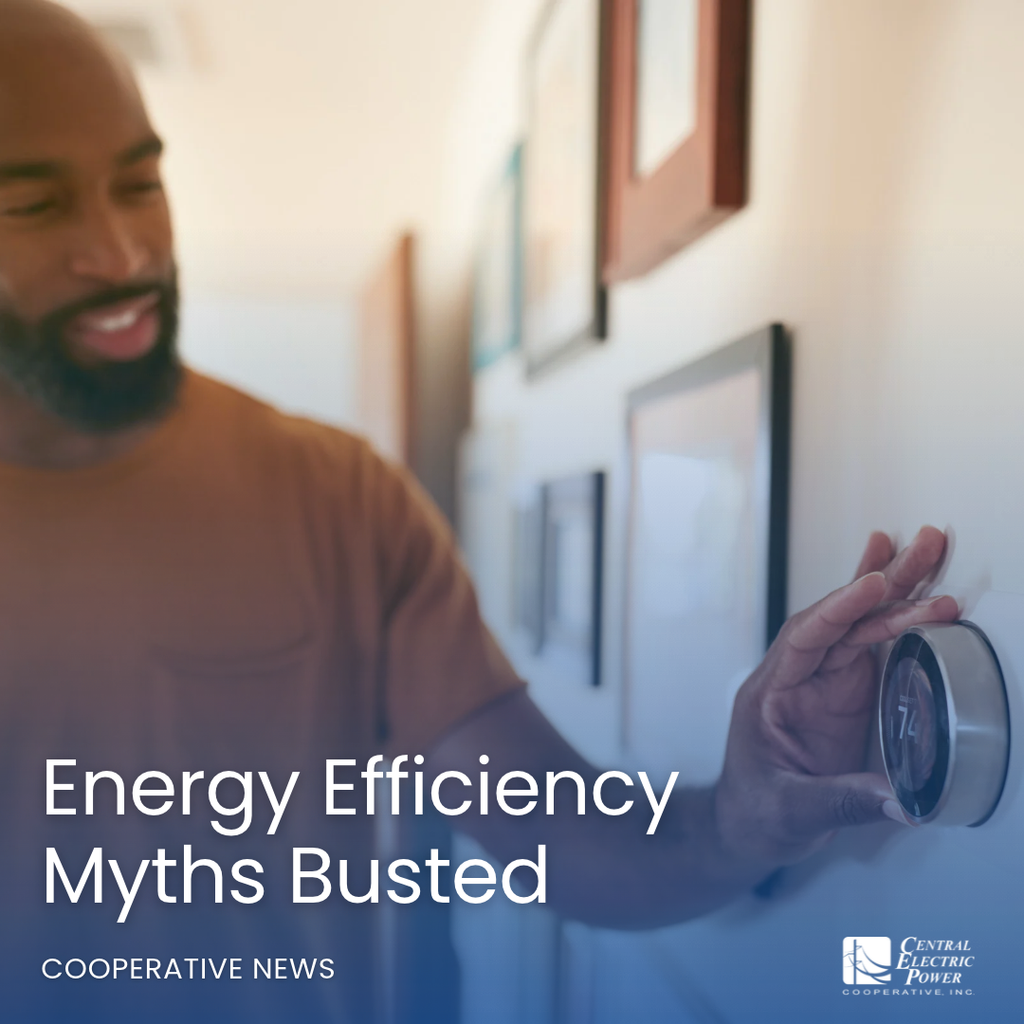
- Utilizing a smart thermostat that changes temperature automatically
- Installing a water heater that can be managed during periods of high electricity demand
At the system-wide level, Central and its member cooperatives identify conservation and energy efficiency as resources that can help manage both energy consumption and demand, like these pilot programs. Efficiency isn’t just about remembering to turn things off, but about making the entire energy system work smarter.
Myth #2: Energy efficiency means being uncomfortable
The reality: Some people hear “energy efficiency” and imagine keeping the thermostat at uncomfortable levels during the summer, sitting in the dark, or giving up appliances and conveniences they use every day.
Efficiency isn’t about sitting in a stuffy house to save a few dollars. It’s about eliminating wasted energy, and that often makes your home more comfortable. Sealing air leaks and adding insulation, for example, can cut drafts and stabilize temperatures from room to room, so your heating and cooling system doesn’t have to work as hard.
The truth is, improving energy efficiency can actually increase comfort without drastic changes. The goal is never to make people uncomfortable; it is to eliminate wasted energy.
Myth #3: Energy efficiency upgrades are too expensive
The reality: While some energy efficiency upgrades require an upfront investment, not every improvement requires a major purchase or renovation. Simple steps like replacing old light bulbs with LEDs and adjusting thermostat settings can help reduce wasted energy. Larger investments, such as upgrading insulation or replacing an aging HVAC system, might provide additional savings over time.
The key is to consider both the initial cost and long-term benefits. More efficient equipment uses less electricity to provide the same level of comfort, which could lower operating costs over time.
Start small and prioritize upgrades that make sense for your needs and budget. It doesn’t all have to happen at once to be effective.
Myth #4: One home or business can’t make a difference
The reality: It’s common to assume that changing the way one home or business uses electricity won’t have much of an impact on the electric grid. While one action may seem small on its own, the combined impact can be significant and goes beyond an individual monthly bill.
This is especially important when we consider grid reliability. When electricity demand rises during extreme summer heat or winter cold, cooperatives must be prepared to meet that demand. Reducing unnecessary energy use and managing certain electric loads can help ease pressure during peak periods.
Programs such as smart thermostats, water heater controls, voltage reduction, and interruptible loads can reduce electricity demand during peak periods. So, when you make your home more efficient, you’re not necessarily just changing your own electricity usage. Together, efficient homes and businesses can help cooperatives manage the broader system.
Myth #5: Energy efficiency is only up to the member
The reality: Members can make a difference through everyday habits and home improvements, but energy efficiency is not a responsibility that falls on individuals alone. In line with the Seven Cooperative Principles, electric co-ops value “Cooperation Among Cooperatives” and work together to manage electricity demand, improve system operations, and help co-op members understand their energy use.
When members, local cooperatives, and wholesale power providers work together, energy efficiency becomes more than a collection of individual choices. It becomes a coordinated effort to make better use of existing resources, manage electricity demand, and support a reliable electric system for the cooperatives to serve.
Small changes, supported by cooperative programs and technology, add up.
Take control of your energy usage and learn more energy-saving tips at https://energysmartsc.org/.